

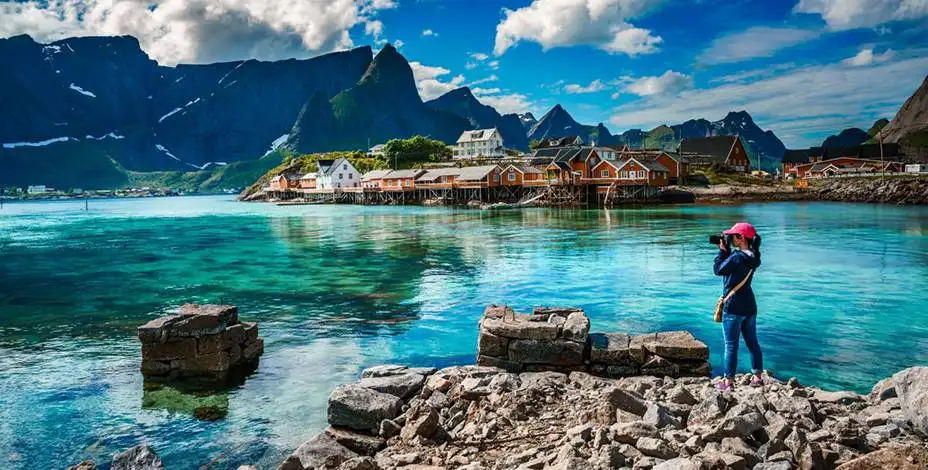
The Allure of Destinations: More Than Just Places on a Map
There is something profoundly evocative about the word “destination.” It conjures images of sunlit coasts, hidden alleyways, bustling marketplaces, and the sweet promise of unfamiliar streets waiting to be wandered. In an age where travel has evolved from luxury to lifestyle, destinations have transformed from mere geographical points to immersive experiences that shape our memories, alter our perspectives, and remind us of our shared humanity.
Destinations That Speak to the Soul
Not all destinations are created equal. Some places resonate deeply, leaving an imprint long after the suitcase is unpacked. These places possess a spirit—a subtle dance between history, culture, and nature—that draws us back repeatedly or lingers in the recesses of our minds for a lifetime.
Consider Kyoto’s serene temples, where centuries-old rituals echo through moss-covered gardens. Or the surreal expanse of Iceland’s glaciers and black sand beaches that seem to defy Earthly logic. Then there is Marrakech, a swirl of colors and spices, where every turn in the souk reveals a new wonder, a new aroma, a new story.
What Makes a Destination Unforgettable?
An unforgettable destination is rarely about luxury alone. It is a blend of sensory experiences and emotional connections. The fragrance of bougainvillea drifting through a Greek village. The chorus of cicadas on a Provençal evening. The laughter of children playing football on a Brazilian beach at dusk.
Unforgettable destinations often share common threads:
-
Authenticity: They preserve their soul, resisting the tide of commercialization.
-
Hospitality: Locals who open their doors and hearts, offering not just service, but stories.
-
Landscape: A setting that awakens wonder, whether wild and untamed or delicately manicured.
-
Narrative: A compelling history or mythology that invites visitors to become part of its unfolding tale.
Trending Destinations: The New Frontiers of Exploration
Travel trends shift like desert sands, shaped by politics, pop culture, and the inexhaustible curiosity of modern explorers. In recent years, lesser-known gems have stepped into the spotlight, challenging the dominance of perennial favorites.
Georgia’s Tbilisi has emerged as a bohemian hub, its Old Town brimming with art galleries, wine cellars, and a café culture that rivals any European capital.
Oman enchants with its rugged mountains and tranquil wadis, a Middle Eastern escape far removed from the glitz of Dubai.
Colombia, once synonymous with cautionary tales, now brims with color and optimism—Medellín’s transformation alone stands as a testament to hope reborn.
Slow Travel: Embracing Depth Over Distance
A growing number of travelers are redefining how they experience destinations. The rise of slow travel champions depth over breadth, connection over checklists. It is the art of lingering—to know a place not by skimming its surface, but by living, if only briefly, as its people do.
This philosophy encourages travelers to:
-
Spend longer in one place, exploring beyond tourist trails.
-
Engage with local artisans, farmers, and chefs.
-
Participate in workshops or community projects.
-
Choose sustainable accommodations that benefit the local economy.
Slow travel breathes new life into destinations, shifting focus from consumption to contribution.
Revisiting Old Favorites: The Power of Return
While the world brims with unexplored corners, there is a special magic in returning to a beloved destination. The familiar café where the barista remembers your name, the market stall where the vendor greets you like family, the hidden cove known only to those who linger. In these revisits, we become something more than tourists—we become temporary locals, witnesses to the subtle transformations that only time reveals.
The Responsibility of the Modern Traveler
With the privilege of travel comes an undeniable responsibility. Destinations, especially fragile ones, face mounting pressures from over-tourism and environmental strain. Sustainable travel is no longer an option; it is an imperative.
Travelers can honor destinations by:
-
Choosing eco-conscious accommodations and operators.
-
Respecting local customs and traditions.
-
Leaving natural spaces as they found them—or better.
-
Supporting businesses that prioritize fair wages and community welfare.
The goal is to ensure that the places we love remain vibrant for future generations of explorers.
The Future of Destinations: Digital Frontiers and Remote Realms
The definition of a destination is also shifting in the digital age. Virtual reality and immersive storytelling offer glimpses into places we may never physically reach—Antarctica’s icy vastness, the depths of the Amazon rainforest, or even lost cities reconstructed from ancient ruins.
Yet, despite technology’s strides, nothing rivals the visceral experience of setting foot on foreign soil. Feeling a chill wind on a Scottish moor, inhaling incense in a Balinese temple, hearing the crackle of a campfire under an African sky—these remain irreplaceable.
Final Thoughts: The Journey Within
Ultimately, every destination, whether near or far, familiar or strange, is a mirror reflecting our inner landscape. We chase new horizons to discover something about the world—but often, we return home with a deeper understanding of ourselves.
So, pack lightly, travel wisely, and remember that every destination, no matter how distant, begins with a single step—and a boundless sense of wonder.