

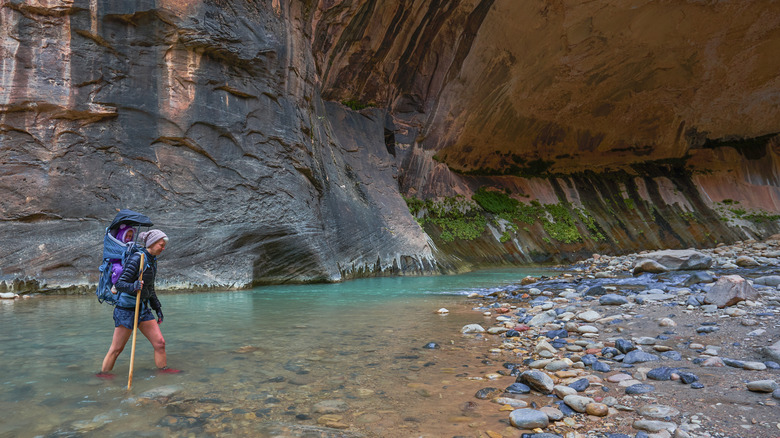
Adventure travel doesn’t have to drain your savings. With smart planning, flexibility, and a bit of creativity, you can explore breathtaking landscapes, try thrilling activities, and create unforgettable memories without overspending. A budget-friendly adventure trip is all about maximizing experiences while keeping costs under control.
Below is a practical, no-fluff guide to help you plan an adventure that’s both exciting and affordable.
Define What “Adventure” Means to You
Adventure looks different for everyone. Before budgeting, get clear on what excites you most.
Some common adventure styles include:
- Hiking and trekking in mountains or national parks
- Backpacking through multiple destinations
- Water-based adventures like kayaking or snorkeling
- Cultural exploration combined with outdoor activities
By narrowing your focus, you avoid spending money on experiences that don’t truly matter to you.
Set a Realistic Travel Budget
A clear budget is the backbone of affordable travel. Instead of guessing, break it down into manageable categories.
Key budget components:
- Transportation (flights, buses, trains, fuel)
- Accommodation
- Food and groceries
- Activities and permits
- Travel insurance
- Emergency buffer
Decide on a maximum amount you’re comfortable spending and track every expense to stay accountable.
Choose Budget-Friendly Destinations
Some destinations naturally offer more adventure for less money. Look for places where nature is abundant and costs are low.
Affordable adventure destination tips:
- Favor countries with lower daily living costs
- Travel to off-season or shoulder-season locations
- Explore domestic destinations instead of flying abroad
- Choose areas rich in free outdoor activities
National parks, mountain towns, and coastal regions often deliver high adventure value with minimal spending.
Be Flexible With Travel Dates and Transport
Flexibility can save you hundreds. Flights and transport costs vary dramatically depending on timing.
Ways to cut transportation costs:
- Fly on weekdays instead of weekends
- Use budget airlines or regional buses
- Compare nearby airports
- Consider overnight buses or trains to save on lodging
If possible, build your itinerary around the cheapest travel dates rather than fixed plans.
Save Big on Accommodation
You don’t need luxury hotels to enjoy adventure travel. In fact, simpler lodging often enhances the experience.
Budget-friendly accommodation options:
- Hostels or shared dorms
- Guesthouses or homestays
- Camping in designated areas
- House-sitting or volunteer stays
Staying slightly outside tourist centers also reduces costs while offering a more authentic experience.
Eat Smart Without Sacrificing Flavor
Food expenses add up quickly, but they’re also one of the easiest areas to control.
Money-saving food strategies:
- Shop at local markets
- Cook simple meals when possible
- Eat where locals eat, not tourist hotspots
- Save restaurants for one special meal
Street food and small family-run eateries often deliver the best value and taste.
Prioritize Free and Low-Cost Activities
Some of the best adventures cost little to nothing. Nature is your greatest asset when traveling on a budget.
Free or affordable adventure ideas:
- Hiking trails and scenic viewpoints
- Beaches, lakes, and rivers
- Free walking tours
- Wildlife spotting and photography
For paid activities, compare providers, book locally, and avoid unnecessary add-ons.
Pack Smart to Avoid Extra Expenses
Poor packing leads to unnecessary spending on the road. Being prepared saves both money and stress.
Essential packing tips:
- Bring multi-purpose clothing
- Pack reusable items like water bottles and utensils
- Carry basic first-aid and repair kits
- Avoid airline baggage fees by packing light
The more self-sufficient you are, the less you’ll need to buy along the way.
Use Technology to Track and Save Money
Smart travelers use apps and tools to keep costs transparent and manageable.
Helpful tools include:
- Expense-tracking apps
- Offline maps
- Currency converters
- Discount and deal alerts
Regularly reviewing your spending helps you adjust before small overspending becomes a problem.
Build in an Emergency Cushion
Unexpected costs happen, especially during adventure travel. A safety buffer keeps your trip stress-free.
Aim to set aside:
- 10–15% of your total budget for emergencies
- Funds for medical needs, delays, or gear replacement
Peace of mind is just as important as saving money.
Final Thoughts
Planning a budget-friendly adventure trip is about intention, not limitation. By choosing the right destination, staying flexible, and focusing on meaningful experiences, you can travel deeper, longer, and smarter. Adventure isn’t about how much you spend—it’s about how fully you experience the journey.
Frequently Asked Questions (FAQ)
1. How far in advance should I plan a budget adventure trip?
Planning 2–6 months ahead usually offers the best balance between affordability and availability, especially for transport and permits.
2. Is travel insurance necessary for budget trips?
Yes. Even on a tight budget, travel insurance protects you from costly medical or trip-related emergencies.
3. Are adventure trips safe when traveling cheaply?
They can be very safe if you research destinations, follow local advice, and avoid cutting corners on essentials like safety gear.
4. How can solo travelers keep costs low on adventure trips?
Solo travelers can use hostels, join group activities, cook meals, and share transportation to reduce expenses.
5. What’s the best way to find cheap adventure activities locally?
Booking directly with local operators and asking locals for recommendations often leads to better prices.
6. Can budget travel still be environmentally responsible?
Absolutely. Using public transport, reducing waste, and supporting local businesses often makes budget travel more sustainable.
7. How do I avoid hidden costs during adventure travel?
Read fine print, ask about extra fees upfront, track daily spending, and always keep a small emergency fund.